Opinion — October 12, 2026

A Red Index Is Not Always a Weak Market

If most companies rise while the index falls, the first thing to check is the construction of the index. It is not a paradox. Large constituents can outweigh a much larger number of smaller ones.

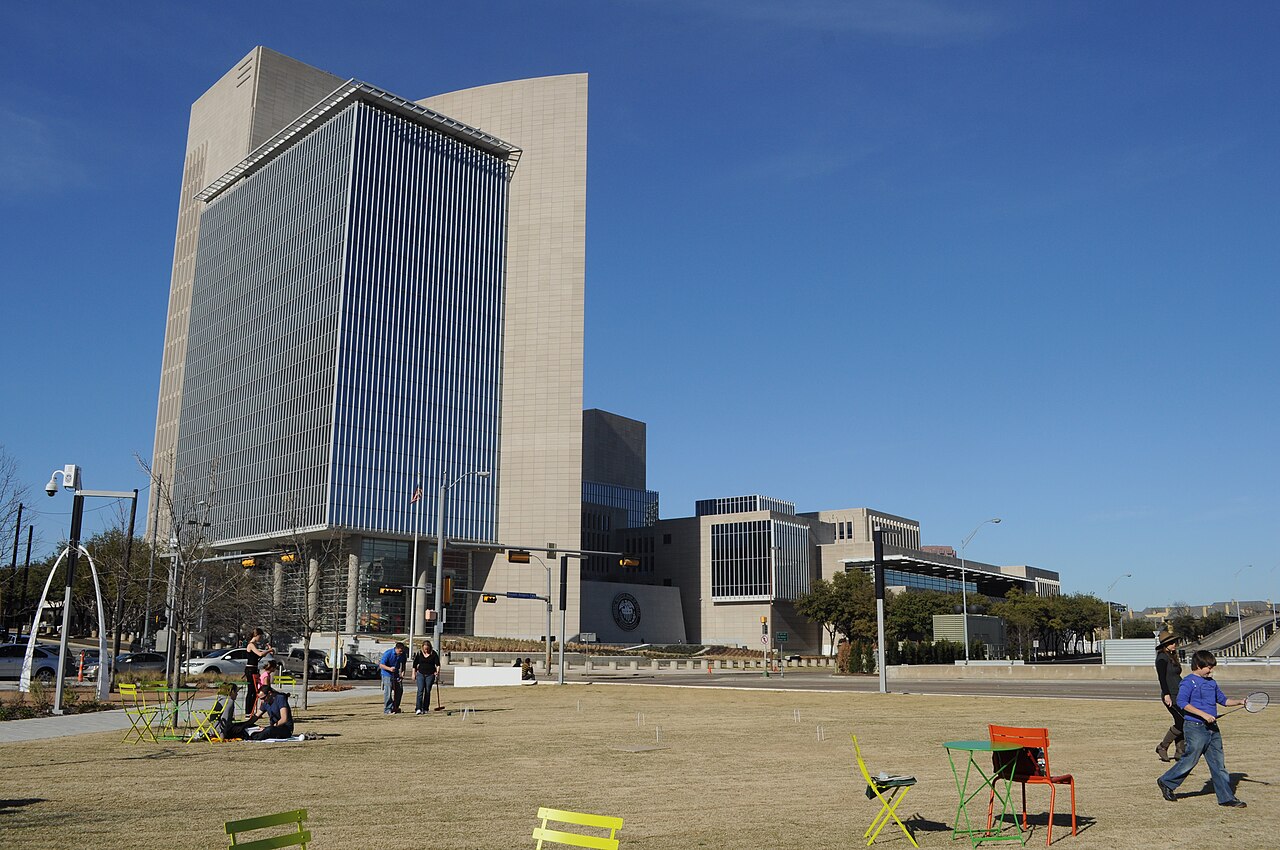
The Federal Reserve Bank of Dallas
The Federal Reserve Bank of Dallas. Index composition and financing exposure complicate a broad market verdict. Archive photo: Joe Mabel / Wikimedia Commons · CC BY-SA 3.0.

If most companies rise while the index falls, the first thing to check is the construction of the index. It is not a paradox. Large constituents can outweigh a much larger number of smaller ones.

I want both views. Capitalization weighting describes the experience of money invested in that benchmark. Equal weighting and advance-decline counts describe participation differently. Neither is the hidden “real market.” They answer different questions.

The danger is using whichever measure flatters the position I already own. If a concentrated growth portfolio has a bad day, broad participation does not erase the loss. If the benchmark is red while a diversified group of companies improves, the index color does not erase that evidence either.

For an earnings-season review, I would keep price leadership beside operating leadership. Are more businesses improving their outlooks, or are investors moving into them because the former favorites look vulnerable? The distinction affects durability. Monday’s split was a reason to look below the index, not a reason to replace one simplified headline with another.

Reporting notes

  1. Associated Press via WHIO · October 12 close
  2. Reuters · October 12 afternoon oil and earnings backdrop
Dates, image credits and methodology

This page covers October 12, 2026. First published October 27, 2026 as retrospective coverage; revised October 29, 2026. The coverage date is not a claim of contemporaneous publication.

Photos depict identified subjects and are credited individually. Archival images are not presented as photographs of the reported events. No interviews, transactions, eyewitness details or price series have been invented.

Educational personal research, not investment advice. Disclosures.