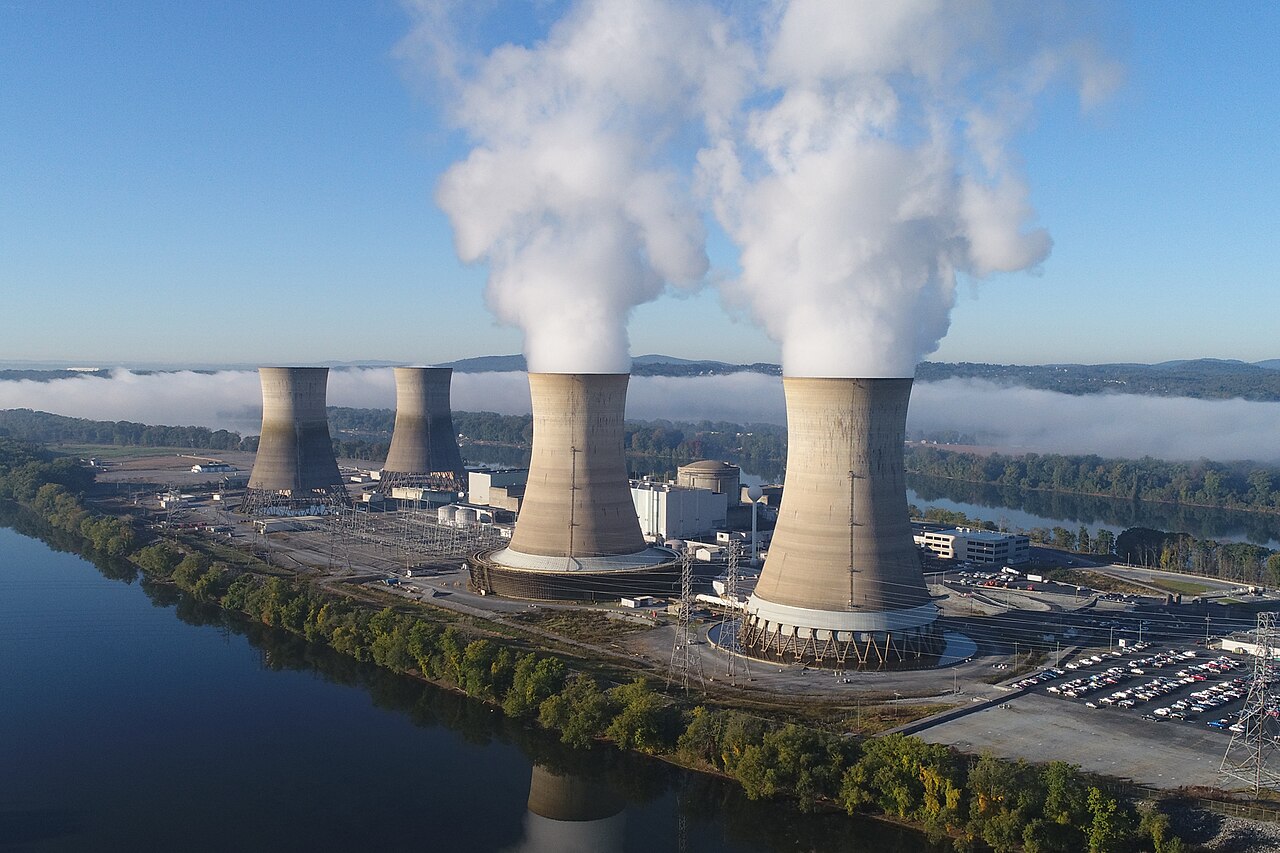

The most useful AI headline Tuesday was not another record. It was an electricity agreement. A long-term power arrangement points to the part of the buildout that cannot be solved by a better software demo.
Electricity is an operating input, but securing it can also determine whether a project can open on schedule. That makes power availability a constraint on investment, not just a line item in a forecast. The attractive asset is not automatically any generator with an AI label attached. Location, transmission, reliability and contract terms matter.
I would ask which party absorbs changing costs, whether capacity must be added, and what obligations exist before revenue starts. A long duration can improve visibility while creating its own risks if pricing or costs move against one side.
This is why I do not want to treat “picks and shovels” as a shortcut around analysis. A power business can benefit from demand and still be a poor investment at the wrong price or under the wrong agreement. Tuesday’s contract made the physical bottleneck visible. The work begins with the terms that turn that bottleneck into cash for shareholders.
A scarce input can have obvious strategic value without giving every owner of that input an equally valuable investment. The agreement’s economics depend on the price, the investment needed to perform it and the risks retained by each party. I would rather know those terms than rely on the broad claim that AI needs more electricity.
The time horizon makes the distinction more important. A long agreement can reduce uncertainty about the customer while increasing the importance of what the supplier has promised over that period. Costs can change. Equipment has to be maintained. A project can arrive later than expected. Duration is not automatically the same thing as protection.
There is a favorable case for the arrangement: a credible long-term buyer can support physical investment that would be harder to justify with uncertain future sales. That is a real commercial advantage. The investment question is whether the supported work earns enough after accounting for the capital and obligations required to deliver it.
The Constellation announcement contains an incremental-capacity agreement and a separate arrangement for existing supply. Those are not two descriptions of the same addition to electricity generation. One concerns getting more output from the fleet; the other concerns the commercial support for power already available.
The distinction prevents a common forecasting error. Counting all contracted capacity as newly created supply would overstate the physical expansion. Ignoring the existing-supply arrangement would miss a separate source of revenue visibility. Each belongs in the analysis, but under its own label and with its own investment requirements.
I would apply the same discipline to the buyer’s computing plans. A contracted source of future electricity does not establish that a data center can begin running immediately. The building, connection, equipment and contracted output have to be available on compatible schedules. Improving one constraint is valuable without proving that every other constraint has been removed.
I would follow the work needed to deliver the incremental output and compare progress with the assumptions used to support the investment. A later operating milestone would tell me something different from another statement about demand. It would show that one part of the plan had become usable capacity.
I would also keep the commercial relationship separate from the technology claims attached to it. The companies described a cloud and AI collaboration alongside the power agreements. That may create useful operating tools. It is not independently measured proof that those tools have already lowered the cost of a nuclear upgrade.
This is the kind of physical detail I want in an AI thesis. It connects an ambitious application to a real input and a real delivery problem. My conclusion is not that every power-related stock deserves a premium. It is that the power contract belongs in the valuation work, with the same attention to return, timing and risk that I would give the computing equipment it is intended to support.