
The S&P 500 and Nasdaq finished at records Tuesday as easing Treasury yields and steadier crude helped investors focus on the approaching earnings season. Reuters linked the energy relief to an agreement by G7 countries to release emergency diesel and crude stockpiles.
Constellation Energy offered a concrete company development: a long-term agreement to supply electricity to Google. AP’s closing report identified it as one of the day’s notable supports for stocks, alongside an encouraging profit report from Lamb Weston.
The record did not describe every part of the market. Small-cap stocks fell even as the major large-company benchmarks rose, according to AP. That distinction underscored the difference between a capitalization-weighted index and the financing conditions facing a wider range of businesses.
The power agreement also broadened the AI story beyond processors and software. Computing capacity requires usable electricity at the right place and time. For investors, the next question was what the agreement meant for the supplier’s economics and for the customer’s all-in cost of running the infrastructure.
More output from existing reactors, not a new plant opening today
Constellation’s announcement described 890 megawatts of new capacity to be added through upgrades at eleven existing nuclear units. The twenty-year purchase agreement supports new equipment and efficiency improvements, with the first upgrade expected in 2028. The companies also described a separate fifteen-year agreement involving 2,700 megawatts of existing supply and an expanded technology relationship.
Those are different commitments. New capacity is an intended addition to generation, while a supply agreement involving existing assets has a different operational starting point. Neither should be described as a newly completed reactor or as electricity already delivered to a new data center.
The timing is part of the economics
The agreement connects a long-duration commercial promise with work that still has to be carried out. That creates a practical research agenda: completion dates, spending schedules, the allocation of cost risk and the cash available before the new output arrives.
For the buyer, securing future power can reduce a constraint on expansion. For the supplier, it can support investment that would be harder to justify without a long-term customer. The shareholder’s result depends on the terms connecting those benefits, rather than on the capacity headline alone.
The deal is therefore evidence that major technology customers are working on a physical bottleneck. It is not evidence that all power projects will earn similar returns, or that every company with nuclear exposure receives an equivalent benefit.
An uprate is a physical project, not a change of label
The proposed additional output would come from upgrades to operating units. Constellation described investment in equipment and technology to improve thermal and electrical efficiency. That is different from starting a new reactor on an undeveloped site, and different again from buying the environmental attributes of power already being generated.
The distinction matters for the AI infrastructure timetable. A data center requires reliable electricity when its equipment is ready to run. A long-term agreement can support work on the supply side, but the contractual commitment is not itself an energized connection. The first incremental output was expected in 2028, leaving engineering and execution between the announcement and delivery.
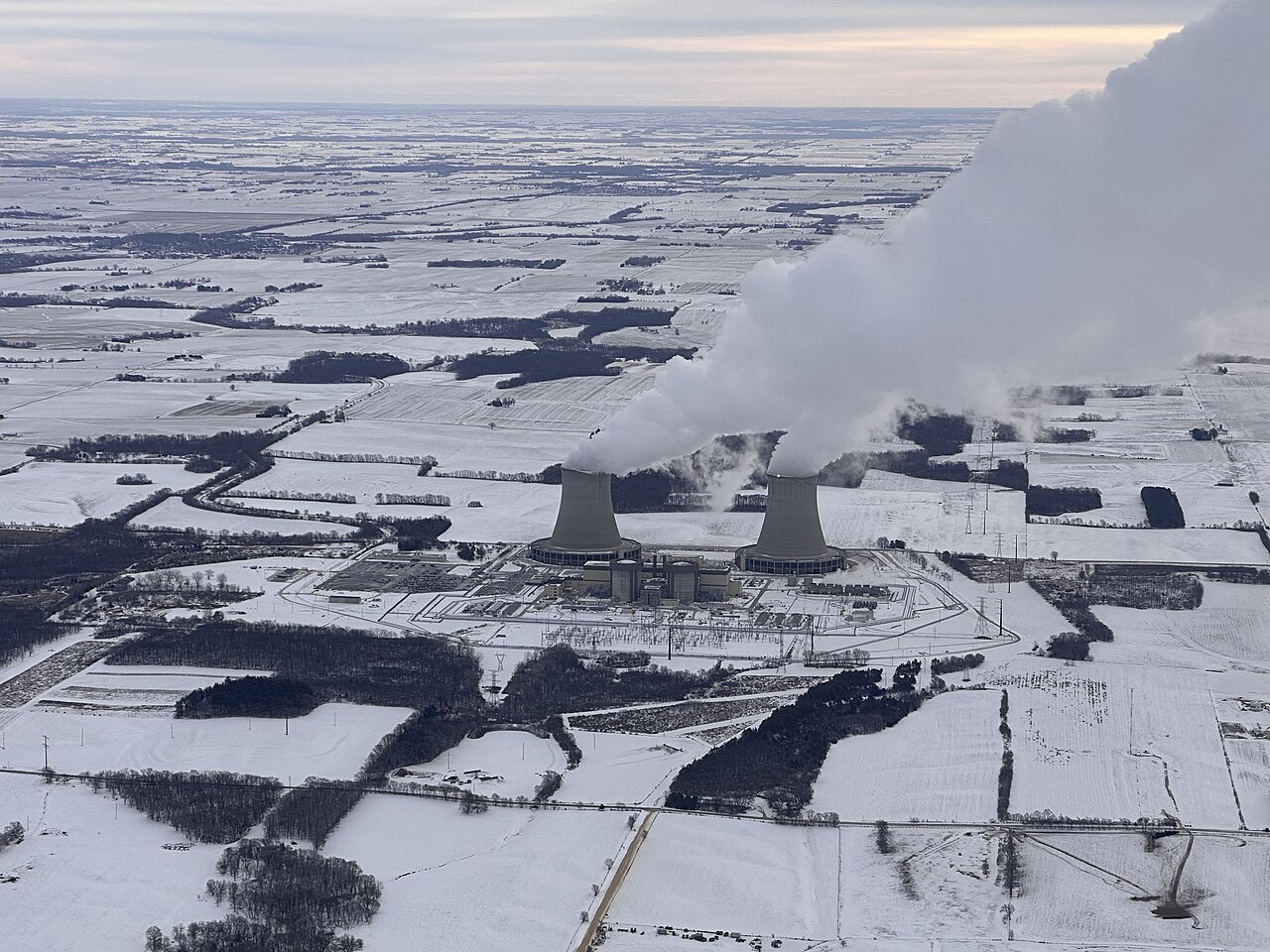
The reactor photographs accompanying this archive identify operating facilities. They should not be read as evidence that the announced additional megawatts were already available on October 6. Existing equipment, contracted future output and completed new capacity are three different things.
New supply and the existing fleet have separate roles
The twenty-year agreement concerned 890 megawatts of incremental capacity. A separate fifteen-year agreement involved 2,700 megawatts of existing supply. Constellation said the upgrades represented more than $4.3 billion of new investment.
Adding the two capacity figures and calling all of it new generation would overstate the announcement. The existing-supply agreement can support the economics of operating assets without increasing their physical output by the same amount. The uprates are the component intended to add generation.
For investors, those distinctions determine the questions to ask. New output requires completion of work and an assessment of its cost. Existing supply raises questions about contract terms, opportunity cost and how long revenue is supported. The agreements may complement each other commercially while exposing the parties to different operating risks.
A technology alliance runs in the other direction
Alongside the power arrangements, Constellation selected Google Cloud and Gemini Enterprise under a five-year technology relationship. The companies described applications in planning, operations and infrastructure protection. The announcement therefore connected a large consumer of computing power with a producer of electricity through more than an energy purchase.
Those proposed operating applications remain claims to assess, not independently demonstrated savings. The public release did not establish a realized reduction in the cost of an uprate or a measured improvement in plant output attributable to the software.
The broader investment significance is still concrete. Computing expansion needs electricity, and securing that electricity can require long commitments and physical investment. The agreement put names, capacity, duration and a delivery target around that dependency. It did not eliminate the work needed to turn those commitments into usable power.