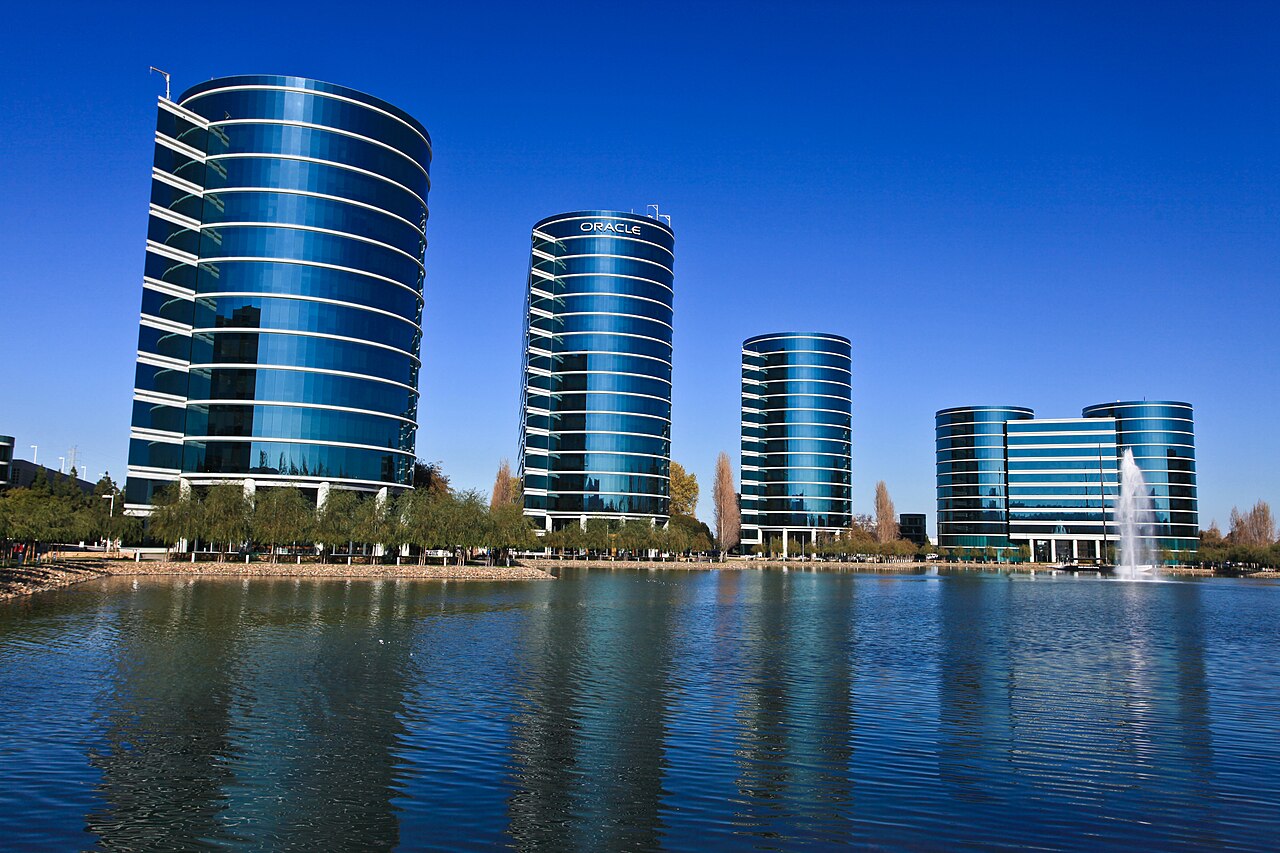

Oracle sought protection against possible cost increases at a large New Mexico data-center development by sending a force-majeure notice to its developer, Bloomberg reported Thursday. Reuters carried the account and said it could not independently verify it. Oracle shares fell nearly 5% in premarket trading; that observation was not the closing return.
The report put a contractual problem inside the AI expansion story. Companies can announce spending plans and reserve computing capacity before the buildings, power connections and equipment needed to supply it are ready. A dispute over which party absorbs a delay can therefore matter long before a customer starts running workloads.
The public report did not establish that a court had accepted Oracle’s position or that the project had been canceled. A force-majeure notice asserts a contractual position; its financial effect depends on the agreement and the facts supporting the claim.
Akamai disclosed a large new Anthropic relationship the same day. Its filing described approximately $11.6 billion of commitments under two project plans, each with an initial seven-year term starting when service begins. The plans provide dedicated cloud-computing capacity and managed support.
The commitment comes with delivery and availability requirements. The filing also describes termination rights, including provisions for material outages and uncured breaches. Those clauses make the economic promise more specific than a headline about demand: revenue depends on providing the contracted service.
Anthropic also received an equity warrant. Its vesting is tied to payments and additional commercial commitments, connecting the customer’s spending to a potential ownership interest in the supplier. That gives investors two schedules to follow—service delivery and possible dilution—not simply one large revenue number.
The Oracle report concerns a contested allocation of development risk. The Akamai filing concerns a documented customer agreement. They should not be given identical evidentiary weight, but they illuminate the same commercial gap: capacity is sold in agreements before it is delivered as computing.
For operators, the critical period is the interval between spending on a facility and collecting from the customer. A delayed service start can move revenue while construction or financing costs continue. For customers, a delay can interfere with the workloads that were supposed to justify the commitment in the first place.
Thursday’s news did not undermine the existence of AI demand. It made the mechanics of supplying that demand harder to ignore. The follow-up is specific: confirmation of the Oracle dispute and its contractual consequences, then Akamai’s delivery milestones, service start dates and cash requirements. Neither can be read from a sector-wide spending forecast.
| Measure | Reported figure | Context |
|---|---|---|
| Akamai commitment | $11.6B | Subject to delivery and agreement terms |
| Initial project terms | 7 years | From the respective service start dates |
| Oracle report | Unverified by Reuters | A notice is not a completed legal outcome |